contact@cyjijamoruq.eu

+65 6823 4100

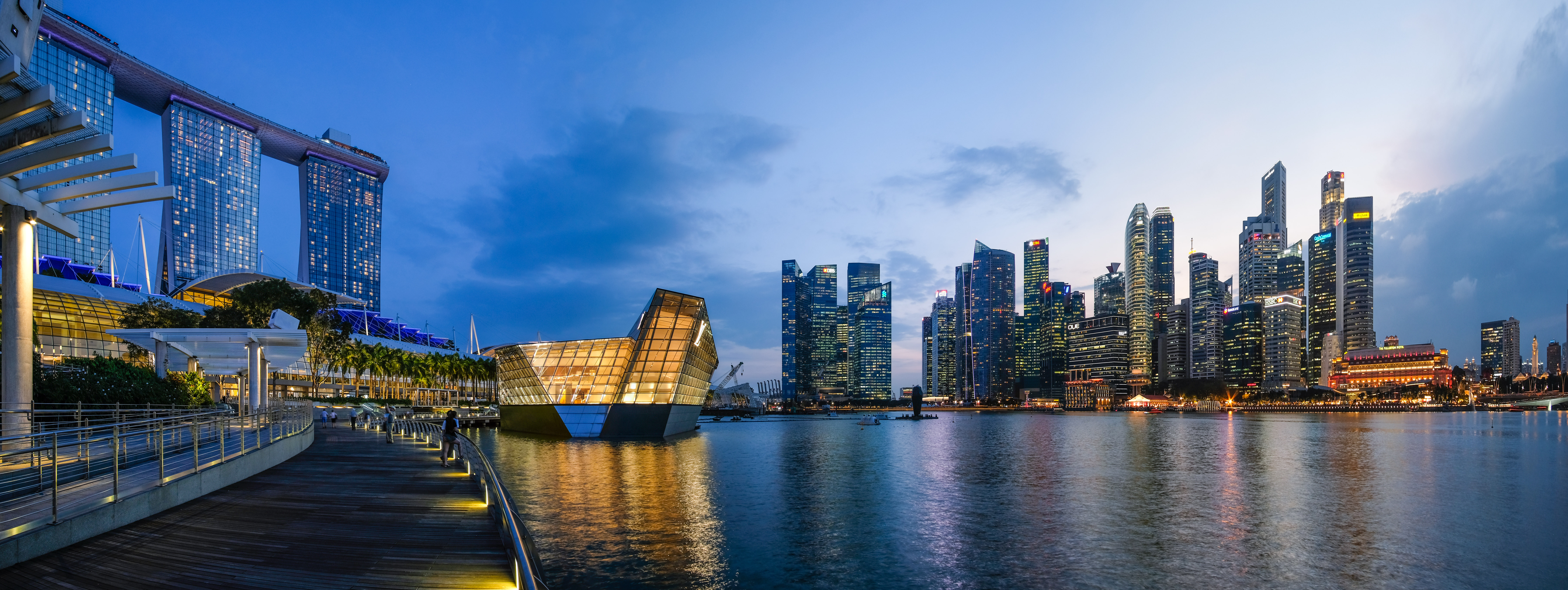
Singapore skyline with modern architecture
Singapore Climate Adaptation

How Singapore Cools a City That Never Stops Warming

Independent reporting on heat-reflective materials, vertical greenery networks, and district cooling systems reshaping urban life in one of the world's hottest cities.

Recent Developments in Urban Cooling

From reflective paint trials on HDB blocks to microforest expansions across retail districts, Singapore's approach to heat is evolving rapidly.

HDB residential blocks in Singapore
Cool Coatings

S$60 Million Reflective Paint Rollout Across All HDB Estates

Singapore's Housing and Development Board confirmed that heat-reflective coatings will be applied to every public housing estate by 2030, following a pilot in Tampines that reduced ambient temperatures by up to 2°C.

April 2, 2026
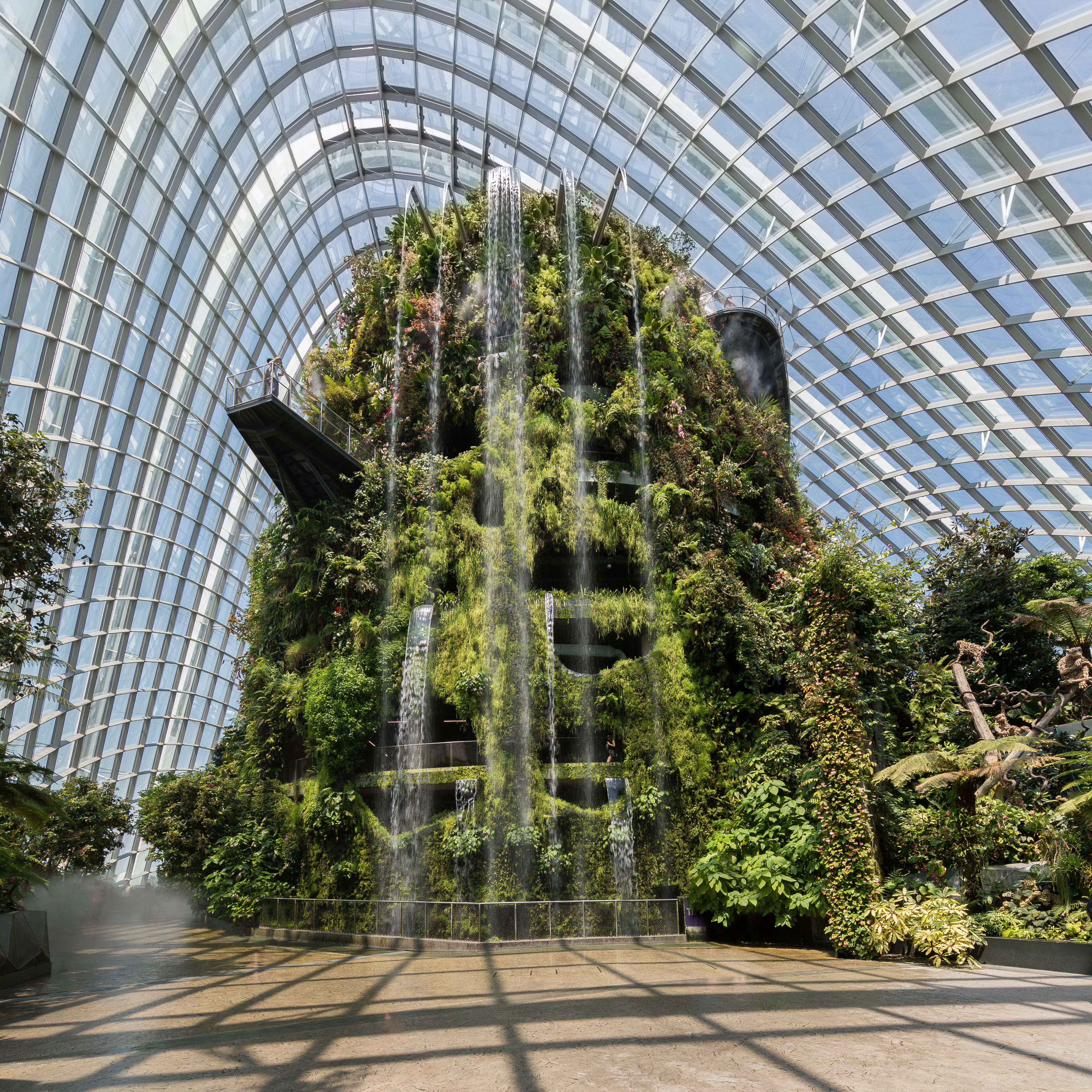
Cloud Forest conservatory at Gardens by the Bay

Cooling Singapore 2.0: A Digital Twin for Heat

A multi-institute research effort led by the Singapore-ETH Centre has built a Digital Urban Climate Twin (DUCT) that models the entire city's thermal behaviour. Over 20 researchers spent four years integrating vegetation cover, traffic patterns, industrial heat emissions, and weather station data into a single interactive simulation.

Urban areas in Singapore can be up to 7°C hotter than surrounding rural land. The DUCT lets planners test scenarios before committing resources — from adding tree canopy cover along a specific corridor to switching an entire bus fleet to electric vehicles, which could reduce roadside heat emissions by up to 85%.

The tool is now available to government agencies through the Ministry of Sustainability and the Environment.

Singapore's Heat Challenge in Context

Key figures from government reports, academic studies, and industry data that frame the scale of the urban heat island effect and the response underway.

7°C
Urban-rural temperature difference during peak hours in Singapore
S$60M
Allocated for heat-reflective paint across all HDB estates by 2030
140 ha
Total sky-rise greenery currently maintained across the city
5°C
Temperature reduction measured near CDL microforests after one year

Covering Heat Resilience Where It Matters Most

Detailed analysis of materials, policy shifts, and field-tested approaches to urban cooling in tropical Singapore.

About This Resource